Scientists from the International Rice Research Institute (IRRI) have developed SpeedFlower, a robust, first-ever speed breeding protocol for rice that will achieve 4 to 5 crops of rice in one year, which is almost double of what has been possible in current breeding programs.
Researchers from the University of Southampton have successfully engineered the microbiome of plants for the first time to boost crop health by increasing the presence of good bacteria in plants. The findings of the paper published in Nature Communications could reduce the need and reliance on pesticides that are usually harmful to the environment.
Through genetic linkage maps, multi-environmental phenotype data, and transcriptome studies, researchers from the Institute of Cotton Research of the Chinese Academy of Agricultural Sciences discovered a gene that regulates fiber quality and yield traits in cotton. Their findings are published in the Journal of Advanced Research.
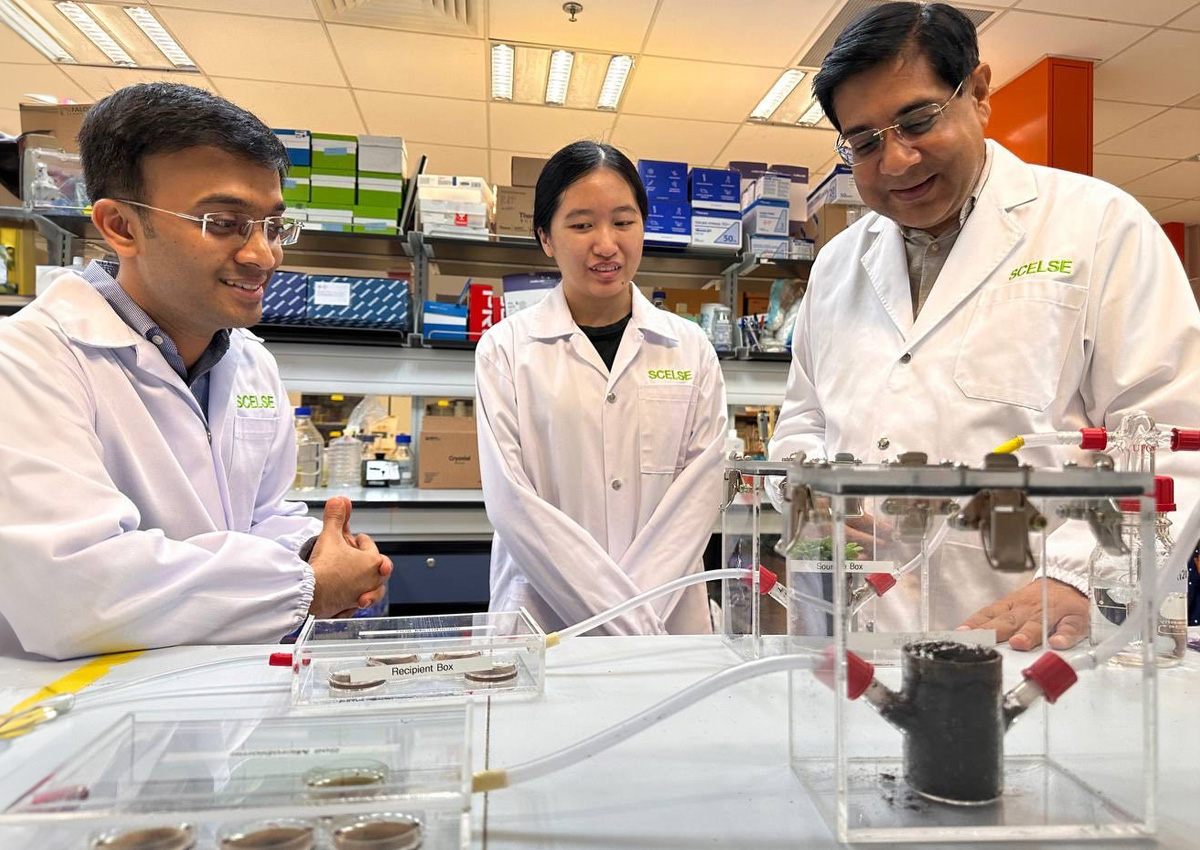
Scientists from the National University of Singapore (NUS) and the Singapore Centre for Environmental Life Sciences Engineering (SCELSE) have uncovered agro-microbials that can enhance the synergy between crops and microbes, and ultimately improve crop yield and productivity.
Biotech Updates is a weekly newsletter of ISAAA, a not-for-profit organization. It is distributed for free to over 22,000 subscribers worldwide to inform them about the key developments in biosciences, especially in biotechnology. Your support will help us in our mission to feed the world with knowledge. You can help by donating as little as $10.






Comments
Post a Comment