Crop technologies developed in partnership with CGIAR centers have been adopted to 221 million hectares globally. The report, published in World Development, revisits the relevant contributions of CGIAR, a network of international agricultural research centers, in agricultural productivity, particularly in developing countries, from 1961 to 2020.
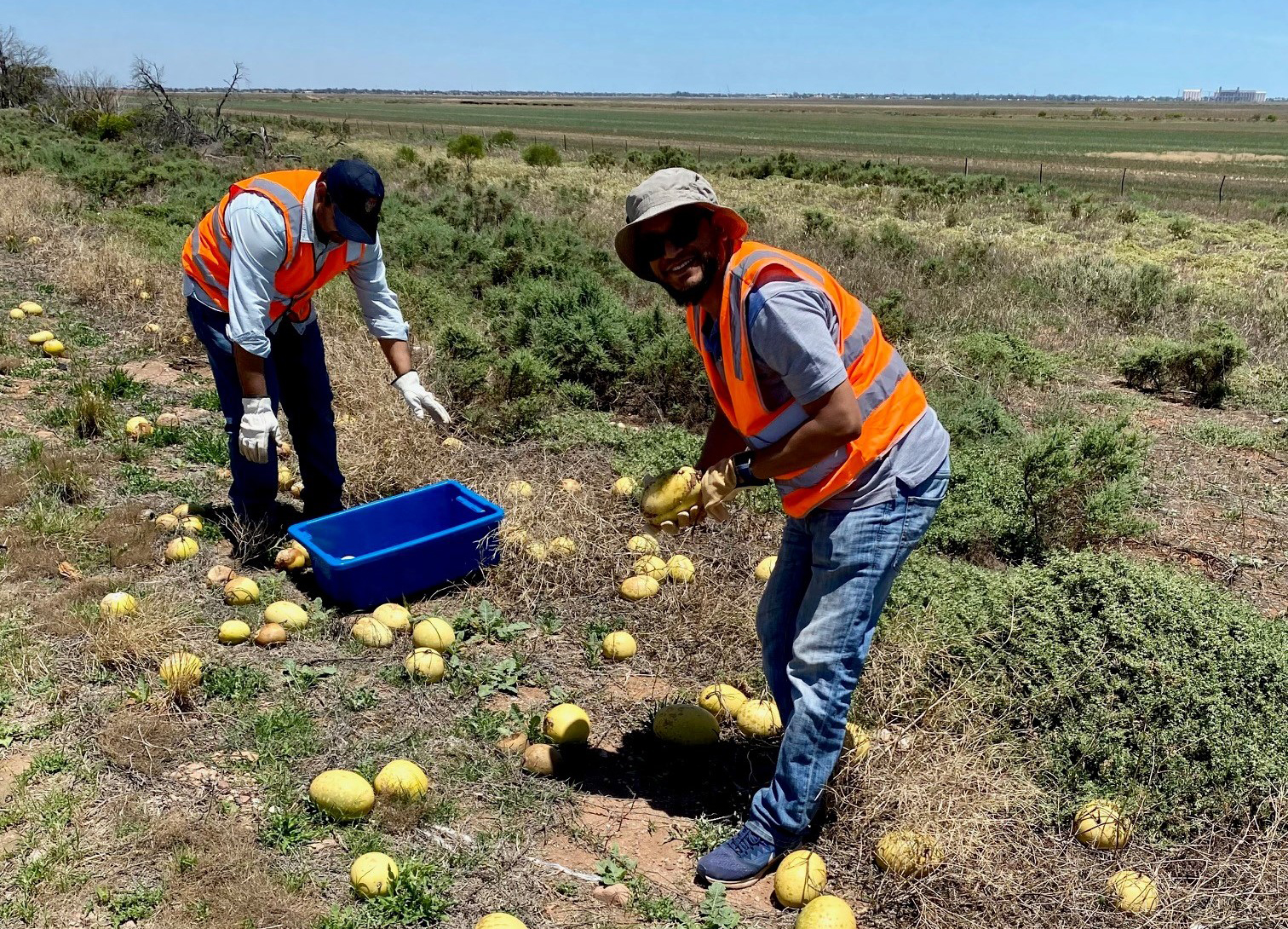
Researchers from the University of South Australia reported that enzymes from an invasive weed known as paddy melon could be used for developing bio cement. This discovery shows potential for the construction, mining, and forestry industries.
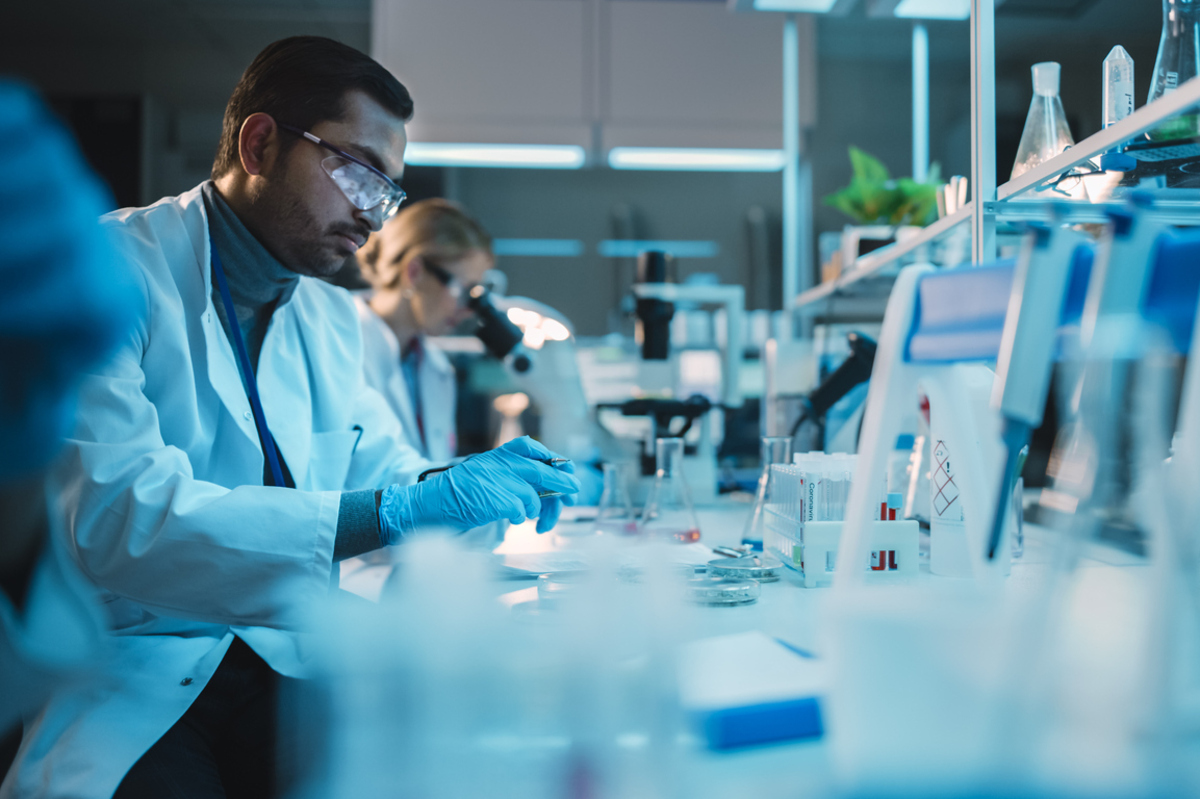
Scientists from Martin Luther University Halle-Wittenberg were able to develop a method that could find substances tailored specifically to a virus. Using this method, they were able to develop novel RNA or DNA-based substances that can protect plants against viruses. The findings of their study are published in the International Journal of Molecular Sciences.
A study published in Nature shows that targeted epigenetic silencing of the PCSK9 gene in mice reduced cholesterol levels that lasted for up to 330 days. The findings of the study provide significant insights into the development of treatments for diseases caused by high cholesterol levels.
ISAAA Inc., in partnership with the University of the Philippines-Diliman Institute of Biology, will hold the hybrid event titled Pinoy Biotek Seminar: PCR Based Detection Kit for Salmonella on Meat on March 12, 2024, at 9:00 AM (GMT+8) at IB Auditorium, UP Diliman. The registration is now open.
Biotech Updates is a weekly newsletter of ISAAA, a not-for-profit organization. It is distributed for free to over 22,000 subscribers worldwide to inform them about the key developments in biosciences, especially in biotechnology. Your support will help us in our mission to feed the world with knowledge. You can help by donating as little as $10.





Comments
Post a Comment