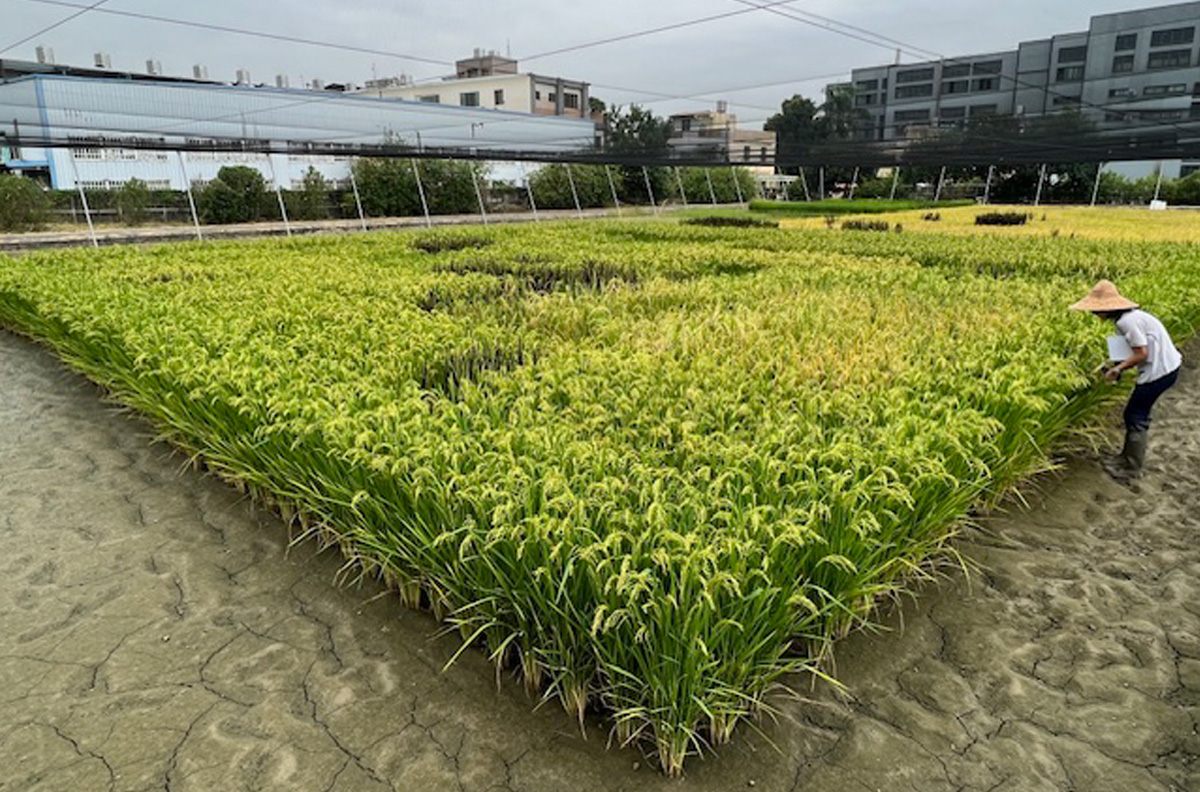
A team of scientists from the University of Geneva (UNIGE), ETH Zurich, and Taiwan's National Chung Hsing University (NCHU) have successfully increased the Vitamin B1 content of rice grains, a significant achievement in the fight against vitamin B1 deficiency, which is associated with a rice-based diet.
Animal biotechnology holds promise for a more sustainable and secure global food supply. This technology can improve food production through increased yield, disease resistance, and better adaptability to climate change. Dr. Eric Hallerman, professor at the Virginia Polytechnic Institute and State University, and his co-authors, tackled the importance of enabling regulations for animal biotech in a review article published in CABI Agriculture and Bioscience.
Australia's Office of the Gene Technology Regulator (OGTR) has issued license DIR 201 to The University of Adelaide, allowing the field trial of wheat and barley genetically modified (GM) for yield enhancement. The field trial will be conducted on one site in Light Regional Council in South Australia, with a maximum planting area of 2 hectares each year. The trial will run from May 2024 to January 2029.
ISAAA Inc., in partnership with Winrock International through the Building Safe Agricultural Food Enterprises (B-SAFE) project, held a webinar titled Navigating the Landscape: A Look at Animal Biotech Regulations in Brazil and Canada on April 11, 2024, via Zoom, to raise awareness, knowledge, and understanding of biotechnology (genetic engineering) applications for livestock and aquaculture.
Biotech Updates is a weekly newsletter of ISAAA, a not-for-profit organization. It is distributed for free to over 22,000 subscribers worldwide to inform them about the key developments in biosciences, especially in biotechnology. Your support will help us in our mission to feed the world with knowledge. You can help by donating as little as $10.






Comments
Post a Comment