In the past decade, gene editing and other breakthroughs in molecular biology led to new techniques for easing genetic improvement. These techniques do not lead to different results from those that earlier techniques could obtain; they just allow scientists to reach the same results easily, faster, and with increased knowledge/control of the outcome.
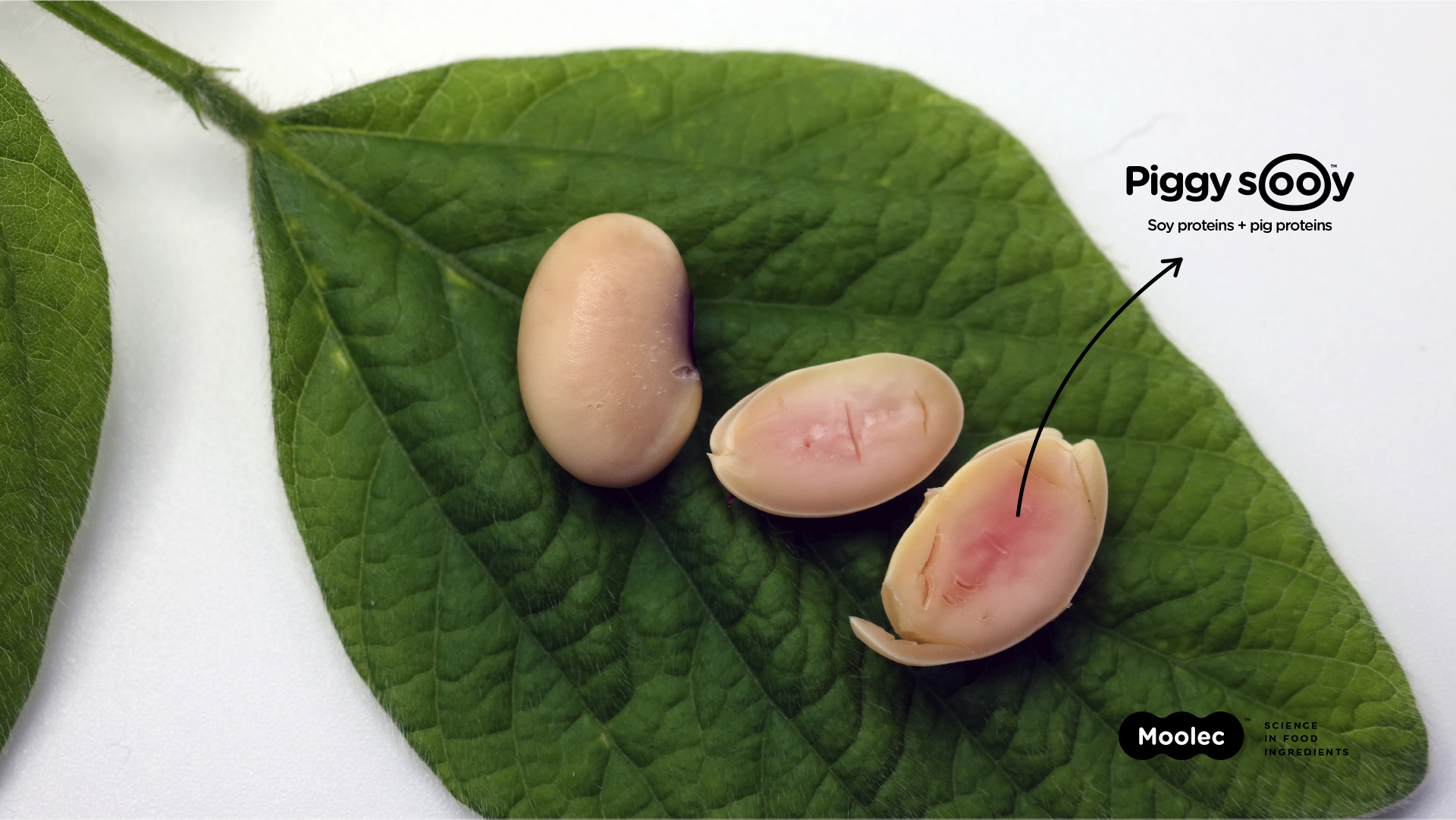
Moolec Science's genetically engineered soybean with pork proteins known as Piggy Sooy has received the response to their request for regulatory status review from USDA Animal and Plant Health Inspection Service. APHIS concluded that Piggy Sooy is unlikely to pose an increased plant pest risk compared to the conventional soybeans. Thus, it is not subject to the APHIS regulation governing movement of genetic engineered organisms or products.
The U.S. Department of Agriculture's (USDA) Animal and Plant Health Inspection Service (APHIS) has released their review of four plants modified using genetic engineering to determine whether they posed an increased plant pest risk as relative to non-modified comparators.
Researchers from the University of Saskatchewan and University of Victoria in Canada analyzed and evaluated peer-reviewed research on the contribution of crop biotechnology to climate change mitigation and adaptation. Their findings, published in GM Crops and Food, with principal author Stuart J. Smyth, focus on genetically modified (GM) traits in major crops and the resulting changes in farming practices.
Biotech Updates is a weekly newsletter of ISAAA, a not-for-profit organization. It is distributed for free to over 22,000 subscribers worldwide to inform them about the key developments in biosciences, especially in biotechnology. Your support will help us in our mission to feed the world with knowledge. You can help by donating as little as $10.





Comments
Post a Comment